
Hot Products
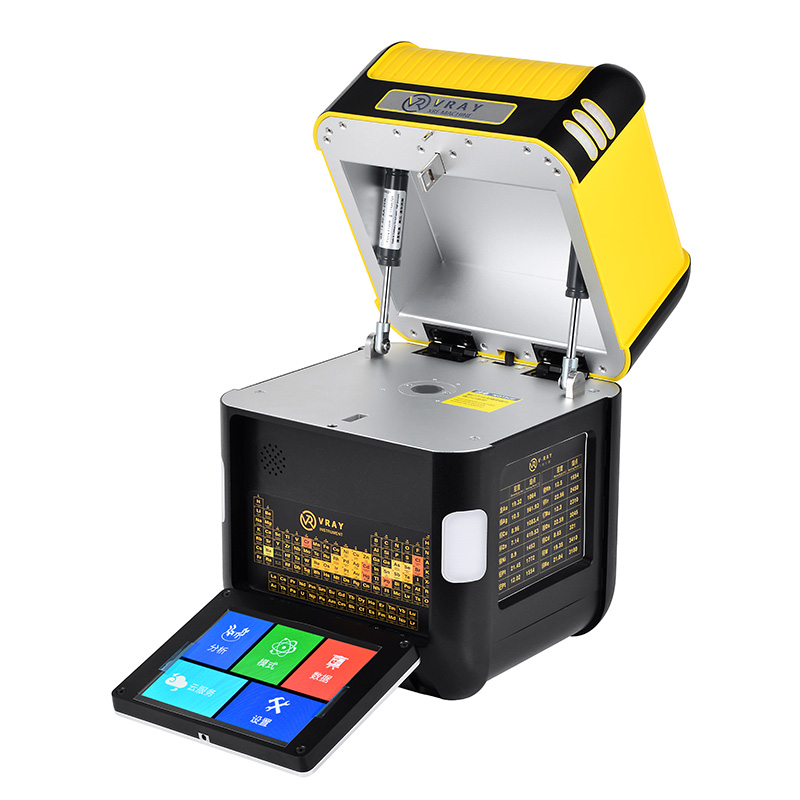
Cost-Effective Portable XRF Spectrometer for Small Businesses
A Cost-Effective Portable XRF Spectrometer is a handheld or compact X-ray Fluorescence (XRF) analytical instrument designed to provide accurate and rapid elemental analysis in various field or on-site applications, at a price point that offers significant value and accessibility for small businesses. Its "cost-effective" nature refers to its balance of affordability (e.g., $15,000-$18,000) with robust performance, making advanced non-destructive material testing viable for businesses that cannot invest in more expensive, high-end laboratory equipment, or require the flexibility of on-location analysis. It enables users to identify and quantify elements in solids, liquids, and powders, crucial for diverse industries including precious metals, scrap recycling, and quality control.
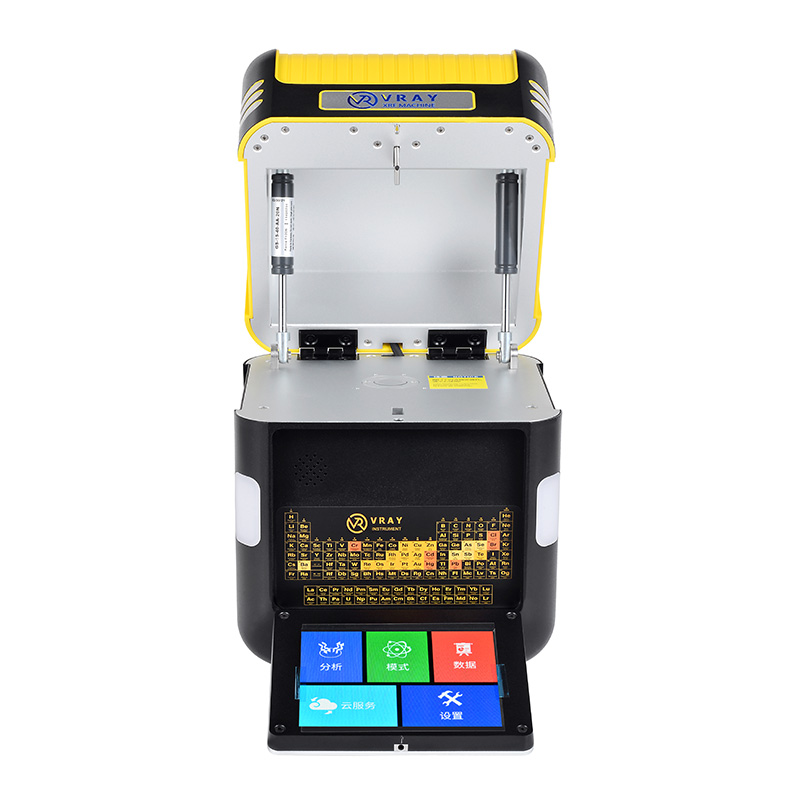
Battery-Operated Portable XRF Spectrometer for Mobile Assays
A Battery-Operated Portable XRF Spectrometer is a handheld or highly compact X-ray Fluorescence (XRF) analytical instrument specifically designed for on-site, mobile elemental analysis, powered by an internal rechargeable battery. This type of spectrometer provides rapid, non-destructive chemical composition analysis of various materials in the field, without the need for external power sources. Its battery operation is a key feature that enables true mobility, making it invaluable for applications like mobile assays of gold, precious metals, scrap sorting, or environmental screening, where samples cannot easily be brought to a laboratory.
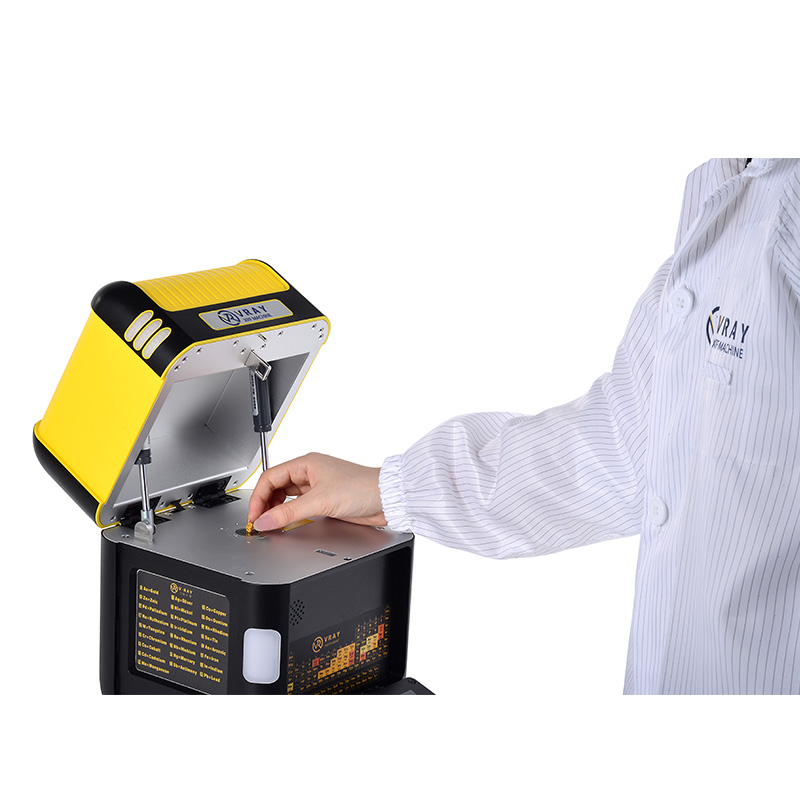
Digital Portable XRF Spectrometer with Instant Elemental Results
A Digital Portable XRF Spectrometer is a handheld, battery-operated X-ray Fluorescence (XRF) analytical instrument that provides rapid and non-destructive elemental analysis and displays the results digitally, often on an integrated screen. This type of spectrometer is designed for true portability and on-site use, enabling users to get instant elemental composition data for various materials, including solids, liquids, and powders, directly in the field or at the point of need. The "digital" aspect emphasizes its immediate, easy-to-read data output and modern data handling capabilities, making advanced material verification accessible and efficient.
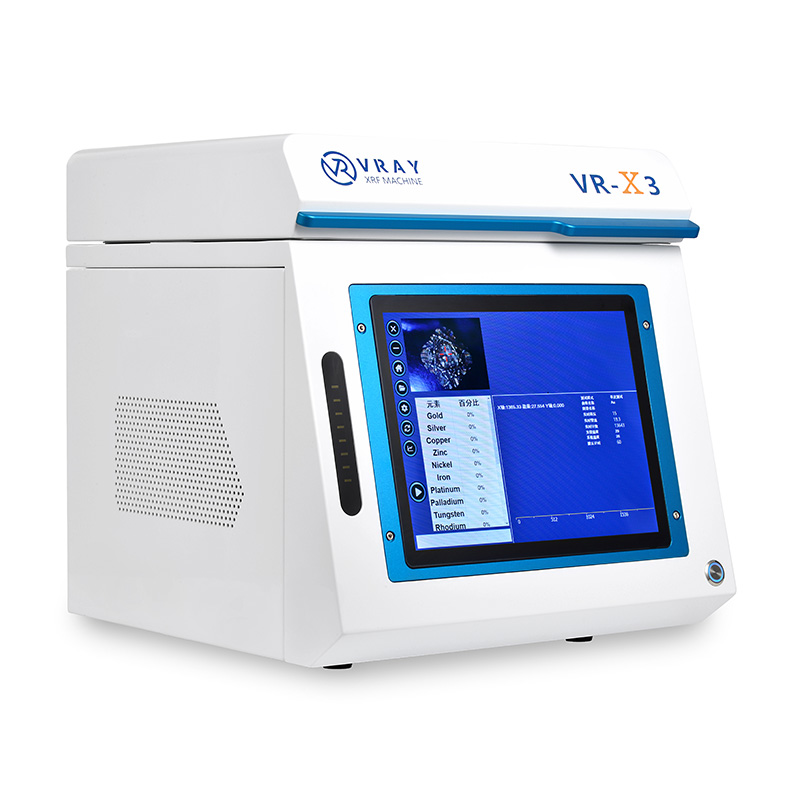
Economic XRF Spectrometer for Gold Traders and Pawnbrokers
An Economic XRF Spectrometer for Gold Traders is a cost-effective, X-ray Fluorescence (XRF) analytical instrument specifically designed to provide rapid, non-destructive elemental analysis of gold and other precious metals. Its "economic" nature refers to its affordability (e.g., $6,000-$7,000 price range), making it an accessible and valuable tool for gold trading businesses that require quick, reliable purity verification without the high investment of more advanced laboratory-grade systems. It enables traders to accurately assess the karatage and composition of gold, ensuring fair transactions and protecting against fraudulent materials.
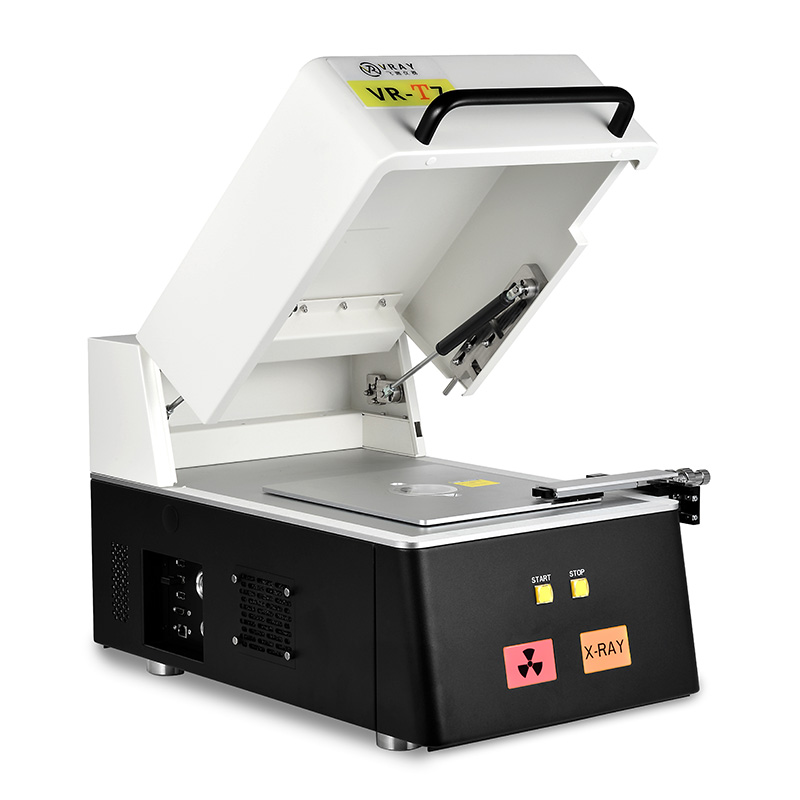
Multi-Element XRF Spectrometer for Gold and Alloy Composition
A Multi-Element XRF Spectrometer for Gold is an advanced, non-destructive X-ray Fluorescence (XRF) analytical instrument specifically designed to provide comprehensive and highly accurate elemental analysis of gold and its various alloys. "Multi-element" signifies its capability to precisely identify and quantify not only gold but also other precious metals, common alloying elements, and even trace impurities within a sample. These spectrometers are crucial for applications demanding exceptional accuracy in determining the exact composition of gold, ensuring quality control, facilitating precise valuations, and preventing fraud in the gold industry.
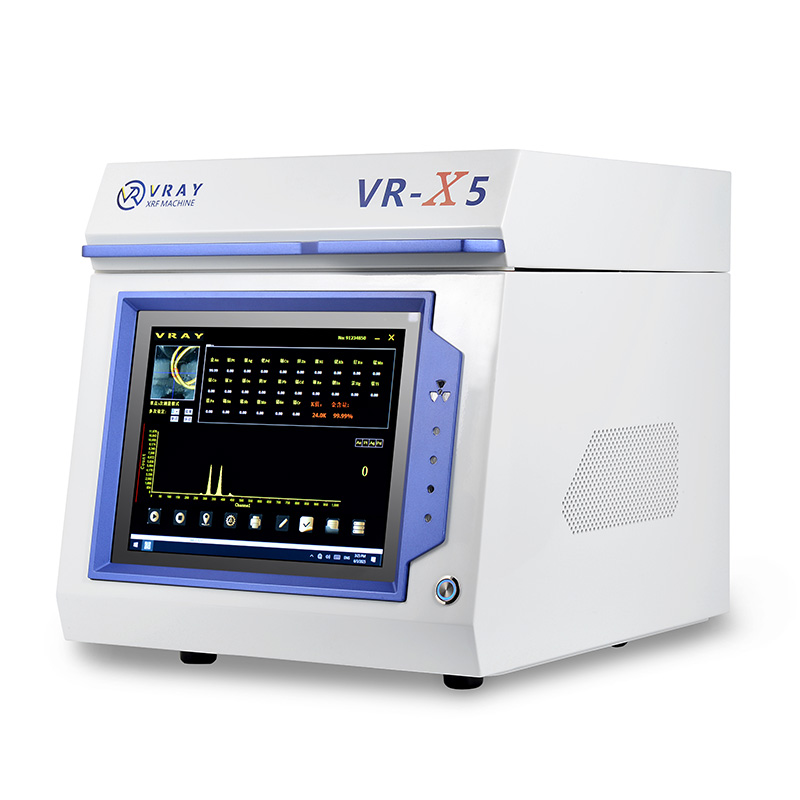
Compact XRF Spectrometer for Gold Testing in Retail Environments
A Compact XRF Spectrometer is a non-destructive X-ray Fluorescence (XRF) analytical instrument specifically designed with a small footprint for efficient use in spaces where room is limited, such as jewelry retail stores, pawn shops, or small workshops. Despite its smaller size, it provides accurate and rapid elemental analysis of various materials, particularly suited for gold testing due to its precision in identifying and quantifying precious metals and common alloys. Its "compact" nature ensures it fits seamlessly into retail environments without compromising on performance or ease of use.
- Request A Quote
How a non destructive Metal Analyzer Performs PGM Analysis for Industrial Applications
Publish time:2025-10-27 21:00:34
Detailed Product Description
When you need to check platinum group metals in your stuff, You can count on a non destructive metal analyzer with XRF technology to give quick and correct results. This XRF Analyzer lets you test samples without hurting them. You get answers in seconds, so you can decide fast in recycling, mining, or making things. Good PGM analysis helps you keep your work running well and your products high quality.
Key Takeaways
non destructive metals analyzers with XRF technology test platinum group metals quickly. The tests are accurate and do not damage the samples. This saves time and keeps valuable samples safe.
Platinum group metals are important in many industries. These include automotive, electronics, and chemical processing. Recycling these metals uses less energy. It also helps the environment.
Old ways to test PGM use high heat or strong acids. These methods are slow and can be dangerous. They are also not as good for the environment as XRF technology.
XRF analyzers are simple to use and easy to carry. They give good results right where you need them. This helps companies check quality, explore for mining, and recycle better.
Using XRF technology helps people work faster and spend less money. It also helps protect the planet. This is because it lets people make quick choices and use fewer harmful chemicals.
PGMs in IndustryWhat Are PGMsPlatinum group metals, called PGMs, are a group of six metals. These are platinum, palladium, rhodium, ruthenium, iridium, and osmium. All these metals are found together in the same rocks. PGMs are special because they do not get damaged by heat or rust. They also do not wear out easily. PGMs let electricity move through them very well. These features make PGMs useful in many kinds of work. You will see platinum and palladium most often. Platinum is silver-white and does not lose its shine. Palladium is lighter and also does not rust. Rhodium is very shiny and looks like a mirror. The other PGMs—ruthenium, iridium, and osmium—are not common but are needed for special jobs. Note: You can remember PGMs because they stay strong and shiny, even when things get rough. | 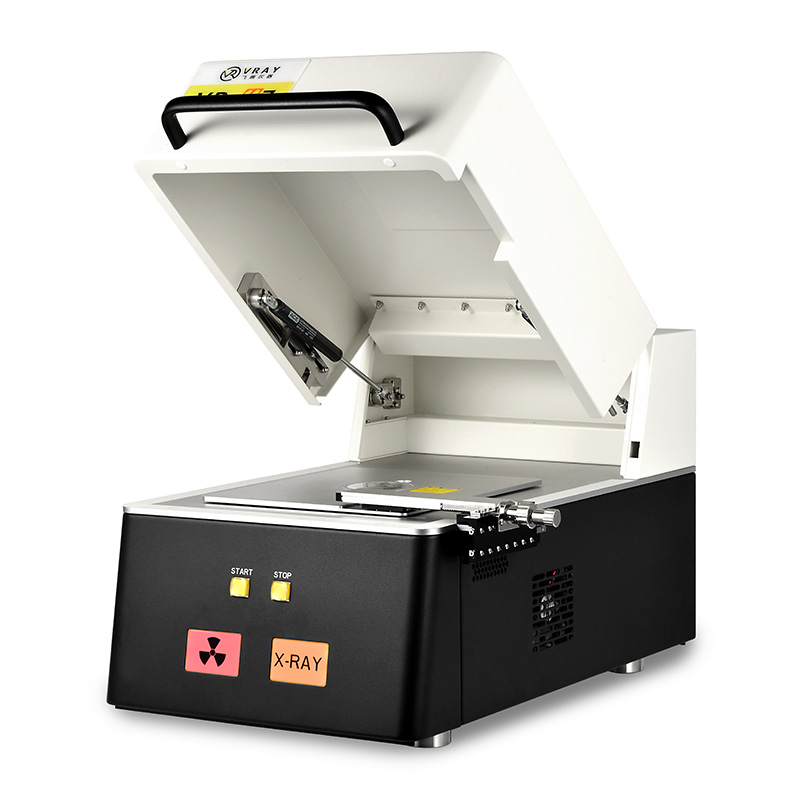 |
Industrial Uses
PGMs are used in many things and jobs. Car makers need PGMs for catalytic converters. These parts help cars follow rules about pollution by cleaning the air from the engine. About 60% of all PGMs are used by car companies. When cars get old, their catalytic converters are recycled to get PGMs back. This saves energy and means less new mining is needed.
PGMs are also important in chemical and petrochemical factories. They are used in catalysts that help chemical reactions go faster. When these catalysts are used up, they can be recycled to get PGMs again. Electronics companies use PGMs in circuit boards and connectors. This is because PGMs let electricity flow and do not rust. As more old electronics are thrown away, recycling them helps bring PGMs back into use.
Here is a simple table showing how different industries use PGMs:
Sector/Source | Usage/Impact Details | Regional Insights |
|---|---|---|
Automotive Industry | Uses up to 60% of PGMs for catalytic converters; recycling is key. | North America, Europe lead; Asia Pacific growing fast. |
Industrial Catalysts | PGMs in chemical processes; spent catalysts recycled. | Strong recycling in North America, Europe; demand rising in Asia Pacific. |
Electronic Scrap | E-waste contains PGMs; recycling is growing. | Asia Pacific benefits from manufacturing; regulations help in Europe, North America. |
Jewelry | Platinum jewelry; recycling old pieces adds to supply. | Global, with focus on eco-friendly markets. |
Recycling PGMs costs much less than getting them from the ground. It uses up to ten times less energy and fewer workers. Recycling helps the planet and keeps PGMs available for everyone.
Traditional PGM Analysis
Common Methods
There are two main ways to get platinum group metals. These are pyrometallurgy and hydrometallurgy.
Pyrometallurgy uses very high heat, up to 2000°C. You melt things with flux agents and metal collectors. This method is fast and gets a lot of PGMs out. But you need special tools. It uses lots of energy and makes pollution like greenhouse gases and toxic fumes.
Hydrometallurgy uses strong acids like hydrochloric acid, nitric acid, or sulfuric acid. These acids dissolve PGMs at lower heat. This way costs less and is better for the planet. You can get about 95% of PGMs back from old car parts. Sometimes, you use microwave heating with hydrochloric acid for better results. This works well for platinum and palladium. Adding citric acid can make it even safer for nature.
Note: After you dissolve the metals, you measure them with ICP-OES. This tool tells you how much of each metal is in your mix.
Here is a table that shows how you check if these ways work:
Statistical Metric | Description | Role in PGM Success Evaluation |
|---|---|---|
Normalized Mean Bias (NMB) | Shows if your way gives results that are too high or too low. | Helps you see if you always guess too much or too little PGMs. |
Normalized Mean Error (NME) | Tells you how big your mistakes are on average. | Lets you know how close your answers are to the real ones. |
Correlation Coefficient (r) | Checks how well your results match real changes in PGM levels. | Sees if your way follows the ups and downs of real data. |
Limitations
There are some problems with these old ways to check PGMs. Pyrometallurgy needs lots of energy and makes pollution. Hydrometallurgy is cleaner but uses strong acids that can be risky. Both ways need careful work and special tools.
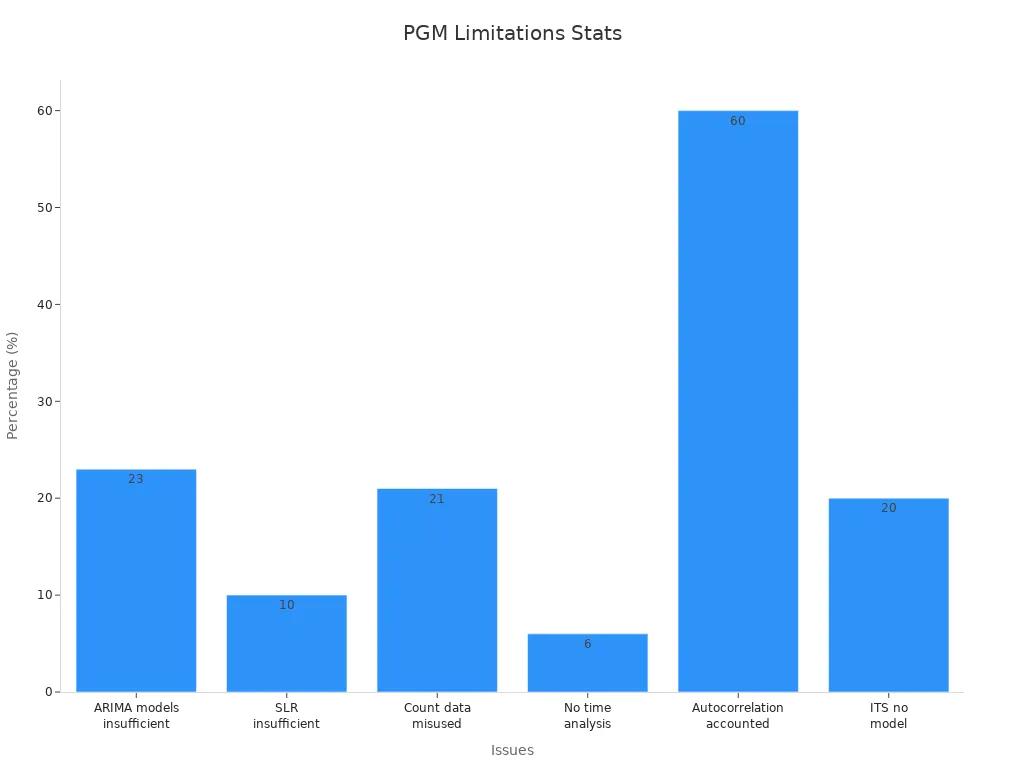
Many studies show these old ways can have mistakes or miss checks. For example, about 23% of studies do not use enough data points over time. About 21% do not check if their data fits the rules. Only 60% look for important patterns, so 40% might miss big problems. Some studies do not explain their steps well.
Limitation / Issue | Percentage of Studies | Description |
|---|---|---|
Not enough data points for analysis | 23% | Makes results less trustworthy |
Not checking data rules | 21% | Can give wrong answers |
Not checking for patterns | 40% | Misses big mistakes |
Lack of clear methods | 20% | Hard to repeat or trust results |
Note: Always check your steps and data closely. This helps you avoid mistakes and get better answers.
XRF Technology Overview
How XRF Works
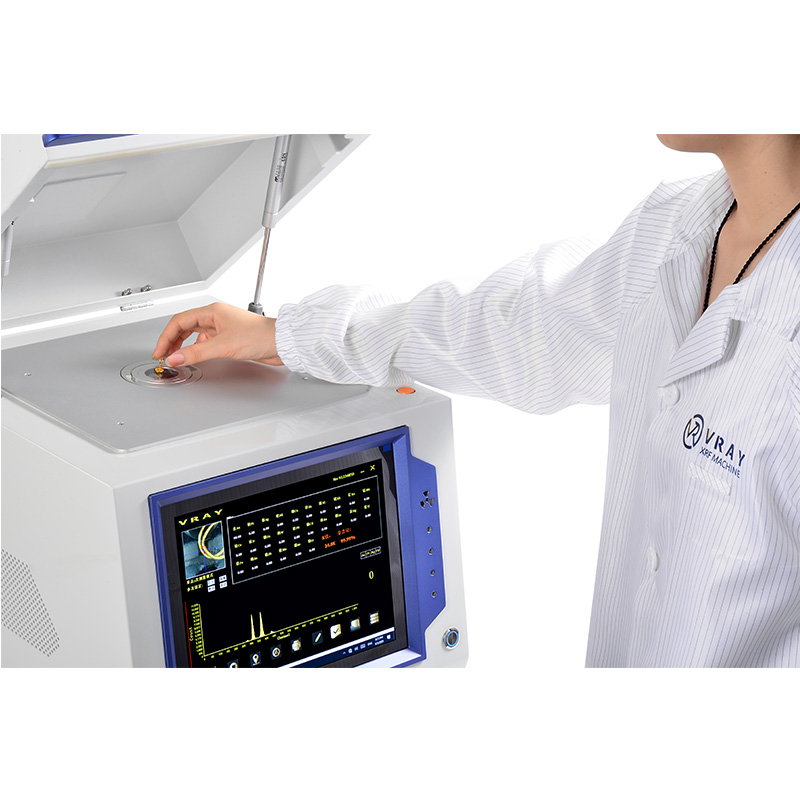
You can use X-ray fluorescence (XRF) to check what metals are in your sample. When you place a sample in the non destructive metals analyzer, the device sends X-rays into the material. These X-rays hit the atoms inside and knock out some of their electrons. The atoms then fill these empty spots with other electrons. When this happens, the atoms give off energy in the form of secondary X-rays.
Each metal gives off its own special X-ray energy. For example, platinum, palladium, and rhodium all have their own unique X-ray signals. The analyzer detects these signals and tells you which metals are present. You can see the results on the screen in just a few seconds.
Note: You do not need to cut or melt your sample. XRF works right through the surface, so you keep your sample safe and whole.
Benefits for PGM Analysis
You get many advantages when you use XRF for PGM analysis. Here are some of the main benefits:
Non-destructive testing: You do not damage your sample. You can test valuable items and still keep them in perfect shape.
Fast results: You see the metal content in seconds. This helps you make quick decisions in your work.
Multi-element analysis: You can check for many metals at the same time. The analyzer shows you the amounts of platinum, palladium, rhodium, and more in one test.
Easy to use: You do not need to be a scientist. The precious metals analyzer has simple controls and clear results.
Safe process: You do not use strong acids or high heat. XRF is safer for you and better for the environment.
Feature | What It Means for You |
|---|---|
Non-destructive | No harm to your sample |
Fast | Results in seconds |
Multi-element | Checks many metals at once |
Simple operation | Easy for anyone to use |
Safe | No dangerous chemicals or heat |
Note: XRF gives you reliable answers every time. You can trust the results for recycling, mining, or quality control.
Non destructive Metals Analyzer Features
Accuracy and Precision
You need to trust your results when checking non destructive metals. A non-destructive metal analyzer gives high accuracy and precision, even with small amounts. You can see this in real test data. For example, if you test gold, silver, and copper five times, the results are almost the same as the certified reference values. This means you get answers you can count on every time.
Element | Test Results (5 runs, %) | Average Result (%) | Certified Reference (%) |
|---|---|---|---|
Gold (Au) | 33.50, 33.40, 33.39, 33.38, 33.42 | 33.42 | 33.33 |
Silver (Ag) | 58.30, 58.41, 58.36, 58.29, 58.41 | 58.36 | 58.61 |
Copper (Cu) | 8.20, 8.20, 8.25, 8.32, 8.17 | 8.23 | 8.06 |
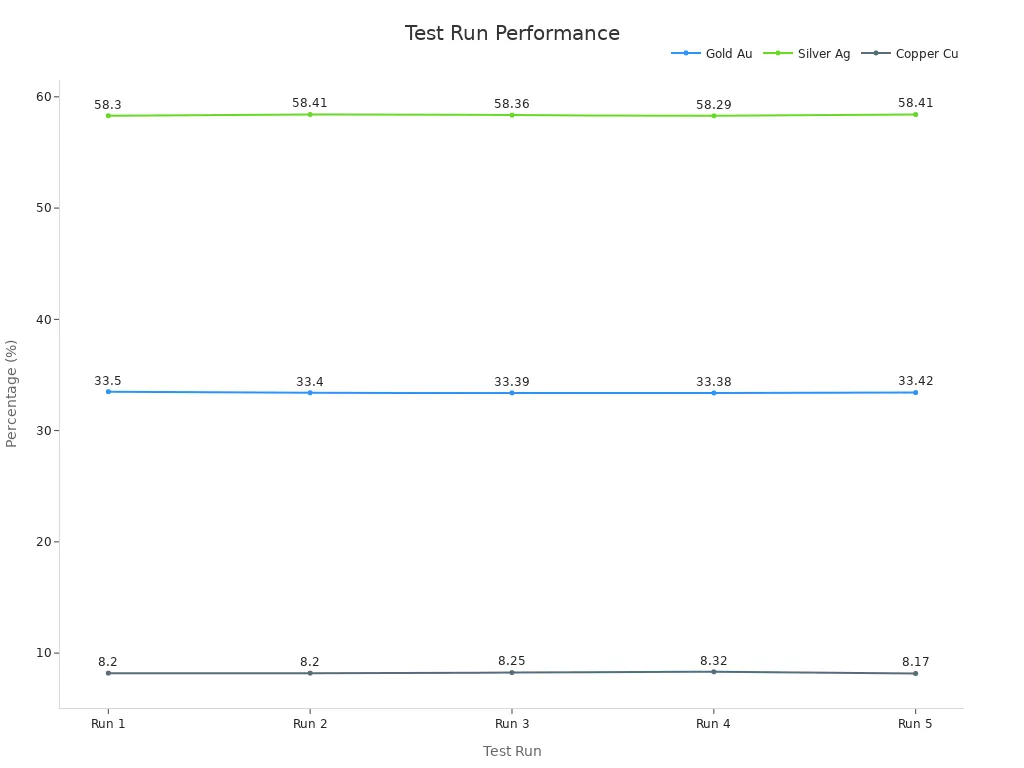
The average results are very close to the certified values. This shows the analyzer is very precise. Advanced technology helps you get the same answer each time you test. You can test the same sample many times and get almost the same result. This makes your work more dependable.
You can also measure very tiny amounts of platinum group metals. Modern analyzers can find PGMs at levels as low as 0.1 ng/L. Even if your sample has just a little platinum, palladium, or rhodium, you still get correct results. Careful calibration and smart software help you avoid mistakes, even if other elements are there.
Tip: Always use certified reference materials to check your analyzer’s accuracy. This helps you trust your results.
Speed and Non-Destructive Testing
You want quick answers and do not want to harm your samples. A non destructive metals analyzer gives you both. You can test a sample in just 15 seconds. This speed lets you check many samples each day. You do not have to stop your work or wait for lab results.
XRF analyzers give you answers right away.
You do not need to cut, melt, or use chemicals on your sample.
You keep your sample safe and can use it again.
You can use the analyzer at your work site because some models are handheld and portable.
Modern analyzers can be accurate up to 0.001%. You can trust the results for checking quality right away. You do not lose time or product during testing. Non-destructive testing means you can check valuable things, like jewelry or electronics, without any risk.
Note: Non-destructive testing helps you keep your products safe and your process running smoothly.
Ease of Use
You do not have to be a scientist to use a non destructive metals analyzer. The controls are easy, and the screen shows clear results. Many analyzers have touchscreens and simple menus. You can learn to use them fast, even if you have never tested metals before.
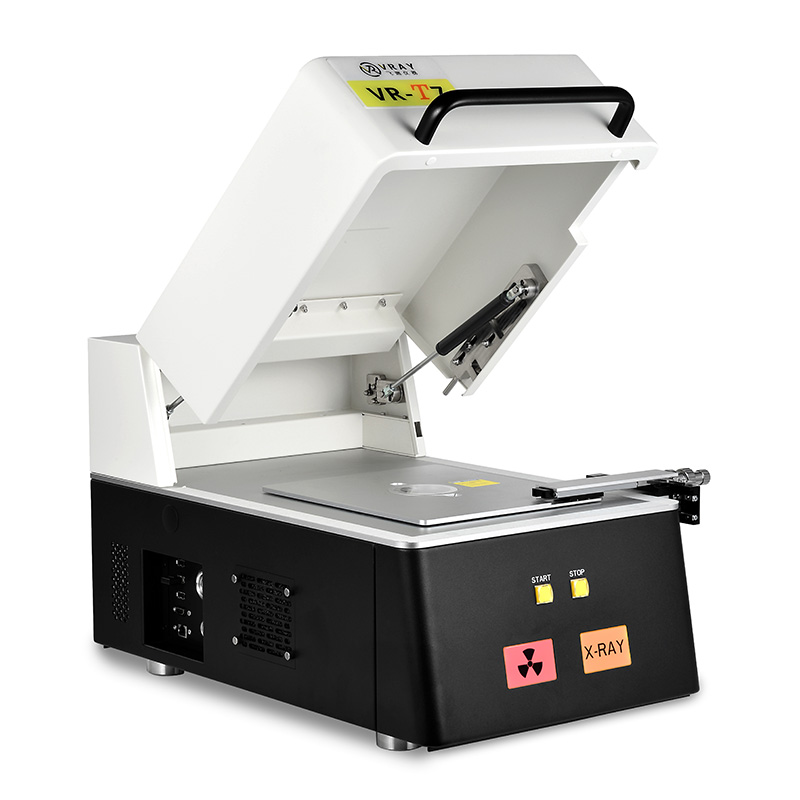
Handheld and portable analyzers let you work anywhere. You can take the device to a recycling yard, a mine, or a factory. Some models work with sample preparation tools, so you can get even better results. You can also save and share your data easily.
Here are some features that make these analyzers easy to use:
Simple setup and operation
Fast training for new users
Clear digital displays
Data storage and export options
Lightweight and portable design
Tip: Regular training and maintenance help you get the best results from your analyzer.
Industrial Applications
Recycling and Recovery
You help recycle and recover metals with a non destructive metals analyzer. Many companies now want to protect the planet. You must find and separate valuable metals from scrap fast. XRF technology lets you do this without hurting the material. You can sort alloys, check how pure they are, and get platinum group metals from old electronics, car parts, and jewelry.
Mining in new places means you need quick, trusted analysis.
The recycling business grows as more companies want to spot alloys fast.
New XRF detectors and software help you find even tiny amounts of PGMs.
You save money and help nature by getting metals back instead of mining more. You also follow strict rules for recycling and waste.
Mining and Exploration
You can make mining and exploring faster with portable XRF analyzers. These tools give you answers in minutes, not weeks. You test samples right where you find them and decide quickly where to dig next. This saves you both time and money.
Indicator | Description |
|---|---|
Time Reduction | You get results in minutes, not weeks. |
Cost Savings | You send fewer samples to labs, saving money. |
Grade Control | You mark ore and waste at the site, losing less ore. |
Exploration Speed | You check new areas faster and find good spots sooner. |
Productivity | You test many samples each day, so you get more done. |
Financial Impact | You can save a lot of money with XRF tools. |
You work better and earn more by using these analyzers in the field.
Quality Control
You need good quality control when making things. A non destructive metals analyzer helps you check what is in your materials before you use them. You make sure every batch meets tough standards. This keeps your products safe and strong.
You see your process get better, moving from 2–3 Sigma to 4 or 5 Sigma.
You make fewer mistakes by doing things right the first time.
You cut wait times and save money by checking materials fast.
You use Lean and Six Sigma to keep making your process better.
You plan your work to find and fix slow spots.
You help your company follow strict rules in car, plane, and electronics jobs. You also help your team get better by finishing many process projects each year.
You can trust a non-destructive metal analyzer with XRF technology for quick and safe PGM analysis. Many companies use this tool because it gives fast results and does not damage samples. XRF is very accurate, with 98.6% accuracy. It can check up to 100 samples every hour. It also follows strict ISO rules.
Metric / Aspect | XRF-based Analysis Data / Statistic |
|---|---|
Correlation with Swiss refinery assays | 98.6% correlation |
Throughput (portable XRF) | 50-100 samples per hour |
Precision (benchtop systems) | <0.05% measurement uncertainty |
Revenue increase (case study, Zambia) | 18% increase after switching to XRF |
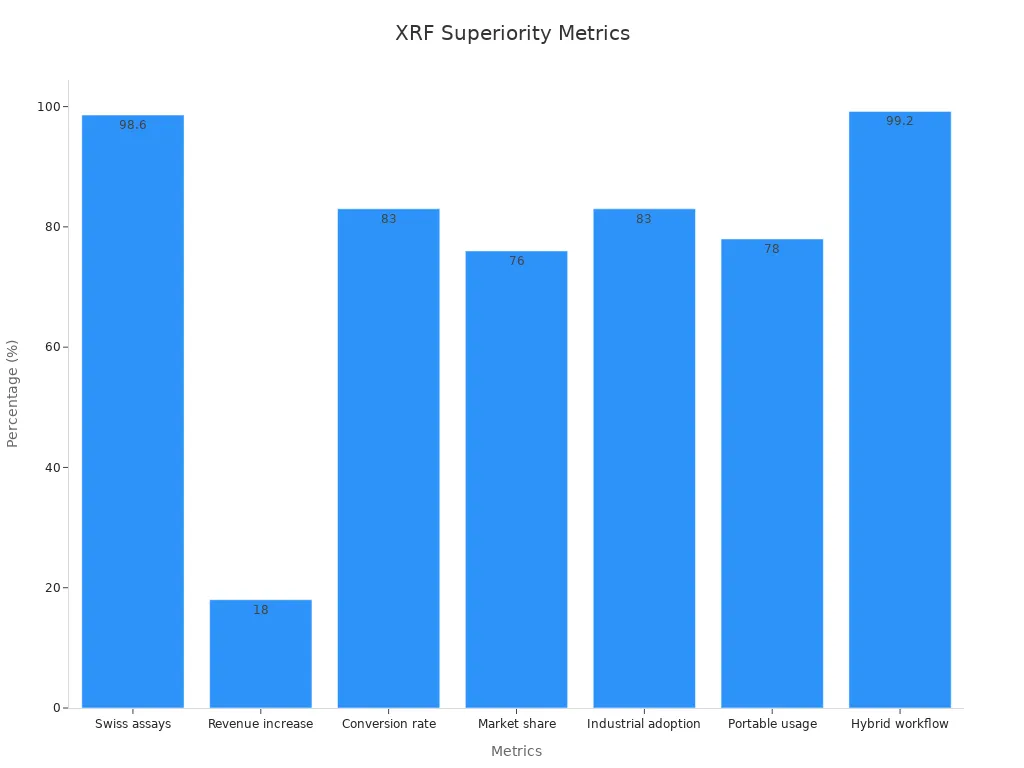
Using XRF helps you work better and make higher quality products. Think about adding a non destructive metals analyzer to your work to stay ahead.
FAQ
How accurate is a non destructive metals analyzer for PGM testing?
You can expect high accuracy from a non destructive metals analyzer. Most devices match lab results within 1%. You get reliable answers for platinum, palladium, and rhodium. Always check your analyzer with certified reference materials for best results.
Can you use a non destructive metals analyzer on-site?
Yes, you can use handheld or portable analyzers right at your work site. You do not need a lab. You get fast results in the field, at recycling yards, or in factories.
Do you need special training to use an XRF analyzer?
You do not need to be a scientist. Most analyzers have simple menus and clear screens. You can learn to use them quickly. Many companies offer short training sessions.
What types of samples can you test with XRF?
You can test solids like jewelry, coins, electronic scrap, and car parts. Some analyzers also check powders or liquids with special cups. You do not need to cut or melt your sample.
Is XRF analysis safe for you and the environment?
XRF analyzers use low-level X-rays. You stay safe by following the instructions. You do not use strong acids or high heat, so the process is safer for you and better for the planet.
Address: 5F, No. 21 building, Phase 2,Lianchuang Science&technology Park, Longgang District. Shenzhen, China
- Tel:+86 19878886646
- Email: selina@vrxrf.com
- Worktime:8:00-02:00
- Contact Person:Selina
- Mobile Site